
Bowlers Club is reader-supported. Some links on this page are affiliate links: if you buy through them we may earn a commission at no extra cost to you. As an Amazon Associate, we earn from qualifying purchases. How we choose products.
One of the most valuable yet not often talked about secrets in a good bowler’s arsenal is bowling tape for fingers.
If you’re an advanced bowler or aspiring to get to that level, finger tape for bowling could be your best friend. Controlling a bowling ball for the entirety of your shot is tricky enough, but extraneous factors can impact your game as time goes on, which you may not even be aware of.
Bowlers tape for fingers helps with some of those challenging situations. It has a ton of influence on the game of those who use it. That said, this post gives you an in-depth look at the importance of bowling finger tape for those serious about upping and maintaining their bowling game.
What is a Bowling Tape?

Bowling tape is an essential tool in your bowling bag and was initially designed to protect the thumb and fingers from abrasion and scrapes that bowling multiple matches can cause. However, it has been discovered that it is also helpful in a pretty common situation that most bowlers experience (whether they realize it or not!): finger swell.
As you play, your fingers and thumbs begin to swell up. As such, you can fill out your fingerholes far better. However, until they are fully warmed up, your fingers will not fit snugly in the holes and will create poor shots.
Bowler’s tape eliminates this. It creates an artificial finger swell by filling in the space your fingers and thumb miss until they are warmed up. It comes in thin strips that you can put as many as necessary to create the ideal, snug fit for your fingers.
It allows for more accurate shots and helps eliminate your poor technique when trying to choose your ball right at the beginning!
What Is Its Purpose?
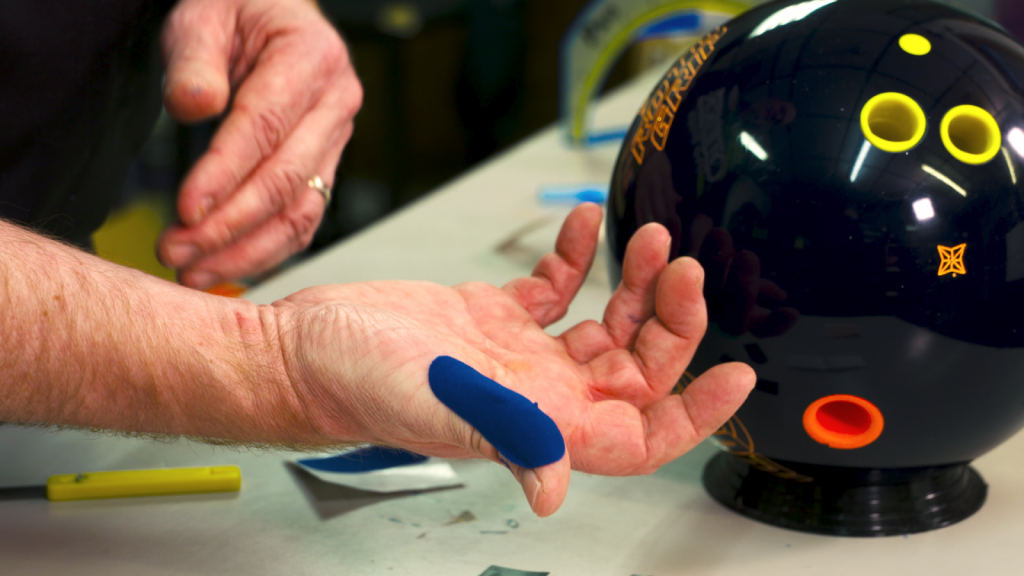
Did you know that a bowler’s thumb can swell or shrink due to temperature changes, humidity, or repeated usage at the lanes?
It’s true, and it can have a dangerous effect on your game (and health)! If your thumb shrinks, you could lose valuable gripping power, which will alter your overall shot and lead to injury if you overcompensate with your wrist or forearm. If it swells, the ball can stick, and your hand release will be entirely off, leading to your wrist or forearm taking the brunt of the needless impact.
Bowling finger tape is utilized to reshape the gripping holes of your bowling ball, particularly the thumb hole. It lets you easily alter your bowling ball grip to a consistent and comfortable tension no matter what external factors impact the size of your fingers during play.
Bowling finger tape has two groupings: The first being a textured white tape that enhances friction and grip and the second having a smoother texture for a more accessible release. Both are necessary for modifying your grip dynamic on the fly to fit your needs and any physiological changes.
One other key advantage of using bowling finger tape is that it helps avoid skin irritation, especially in your thumb web, focusing on your game rather than itching and cracking skin.
Your bowling shot, at its best, should be a finely-tuned device. It demands utmost focus and the capacity to repeat your wins and adjust from failures. Skin irritation detracts from focus and takes away from the pressure you can put on your grip, making bowling finger tape essential for promoting consistency and efficiency in your game.
What Kinds of Bowling Finger Tape Are There?

Bowling tape comes in various types and textures, each designed for a specific purpose. When deciding what type to use, experimentation will be your best friend and let you figure out what is appropriate for your hand.
Textured Tape
Textured tape – also known as white tape or grip tape – delivers more grip and is often used in the front of the thumb hole of your bowling ball. It allows for a more protected grip on the ball while not sticking to your fingers so much that it pushes you to throw the ball into the ceiling tiles.
Textured tape arrives in various texture types ranging from high grip to low grip. These different textures will work better with different kinds of hands, so try a few different ones! There are also numerous colors available, so you don’t have to throw it off if you have a color scheme.
Like with anything else, different manufacturers of textured tape vary widely in quality, thickness, and how long it will last. As with anything else, experimentation is the main game here. Even the most highly suggested products may not be suitable for you, so feel free to play around with different types of tape and discover what fits you best!
Slick Tape
Slick tape is precisely that: it is smoother than textured tape and provides less grip. With that in mind, the smoother tape is more suited for use in the back of the finger holes, so you are not trying to keep a firm grip on a slick surface while maintaining a good shot.
The slick tape has multiple variants in its smoothness. There are skin types that might stick to the slick tape rather than slide off it as you should. This can cause even more significant problems than finger swells can!
For those who would like to try using slick tape without spending a lot of money, replacing a dedicated bowling slick tape with a roll of electrical tape that you can cut as you need is not uncommon. It will deliver the same texture but may not hold up quite as well as purpose-built bowling tape. Keep that in mind when playing on a budget!
Protective Tape
Protective tape is a bit different than the others. Protective tape is employed to the hand rather than the ball. Both help with the problem of finger swell and provide an additional protective layer to help prevent wearing down the skin and causing scrapes or rashes during long bowling sessions!
You can purchase protective tape in pre-cut lengths or rolls that you can cut yourself. Regardless, the best way to use it is to begin from the thumbnail and stretch it to the big knuckle to ensure that it (A) doesn’t come off and (B) doesn’t roll up everything you set your finger in or out of the hole.
Generally, protective tape is less practical than textured or slick tape for filling in the space made by finger swell. With this in mind, it is never a bad idea to use protective tape in conjunction with another type to fill in all the gaps and prevent abrasions!
How to Use Bowling Finger Tape
Before we get into the steps used to apply bowling finger tape, there are a few particulars for you to know.
When referring to the front of the thumb hole, we’re talking about the side closest to the finger holes. References to the inside surface speak of the whole area between the thumb and finger holes on a bowling ball.
The inside space is for the thumb and finger holes, while the outside area is for your knuckles. With that out of the way, here are 4 Steps On How To Use Bowling Tape:
Marking the Spot
Some people believe that the most efficient spot for bowling tape is in the middle of the thumb hole. Others think that you draw a straight line from the bridge to discover the proper placement.
Neither of these approaches is correct. The most reasonable way to decide where to place your bowling tape is by employing your natural grip on the ball.
The best way to mark where to set your bowling tape requires only a grease pen. Put a mark all over the middle of your thumb and fingers – on both sides – with the grease pen, then hold it with your natural grip. Now, rub your fingers up and down through the holes to transfer the grease to the ball.
It will not cause any trouble to wet the tip of the grease pen before doing this, if necessary, to ensure that the grease transfers entirely and clearly to your fingers. It will let the most visible markings on the inside of the hole so you can effortlessly see precisely where to apply your tape. Also, after you have figured out your best placement for tape, you can make a small mark on the top of the thumb hole for future reference when applying bowling tape.
Preparing the Tape
Applying bowling tape is not as effortless as it sounds it might be. It is important to remember that it will encounter extreme stresses – between your fingers rubbing on it, the ball hitting the lane, and the oil and dirt that can gather on the adhesive portion of the tape. If you are not careful with applying it, it is easy to get this part wrong! Keeping the tape adhesive clean and dirt-free before you set it on will ensure some lifespan out of your tape and make your match that little bit more manageable.
Setting tape on your ball begins with how you peel the tape off its backing. It is crucial with your grip tape, as it will likely encounter the most stress.
When pulling the tape from the paper backing, you will want to begin at the bottom corner and peel upwards. The top is where it is most likely to fail, as this is the piece that will encounter the most usage stress. Hence, the less handling that adhesive can obtain, the better off you will be!
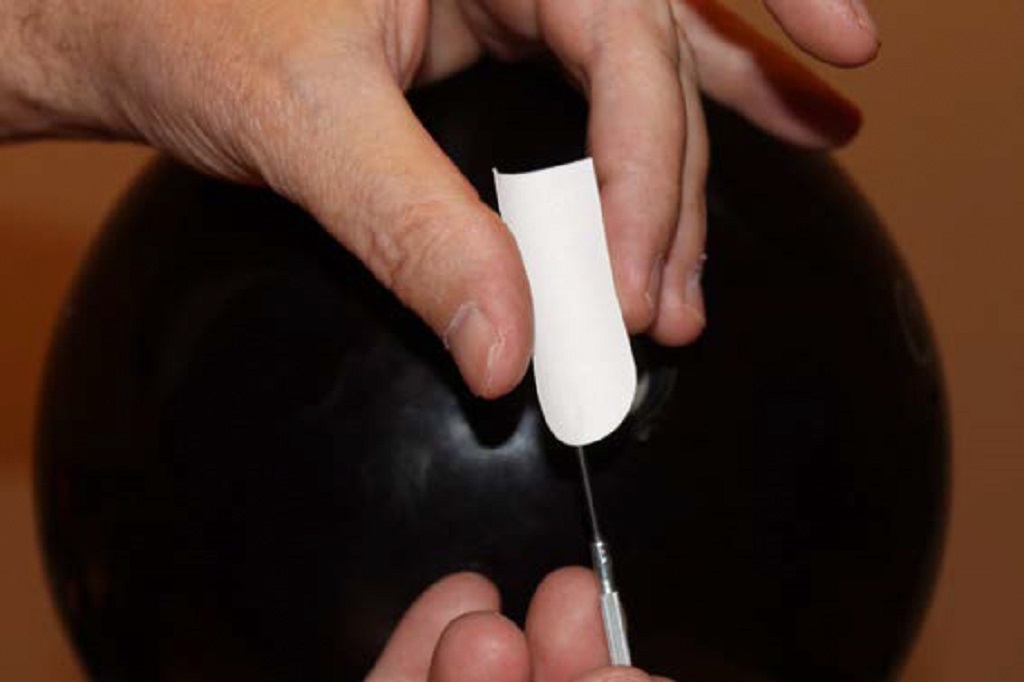
Your next step in laying the tape will be attaching it to a tool, like a precision screwdriver or something comparable, at the top of the tape. It will let you get the tape down into the hole while still being able to notice your grease marks! Mount it securely, but not so firmly that you get an indention in the tape from the tool. Doing that will let more dirt and oils into the tape and make the adhesive fail quicker.
Use your thumb and index finger to turn the sides of the tape up slightly while still on your tool of preference. This bow in the tape allows it to correspond to the contour of your finger hole more accurately before sliding it into the hole.
Applying the Tape
Finally, put the tape into the hole. When doing this, position the tape directly over the grease mark you left behind so you know it is set for your natural grip.
Don’t let the tap come out at the top of the hole. Instead, place it one eighth to one-quarter of an inch below the opening for the finger or thumbhole. That way, you lower your chances of accidentally pulling it out as you take your shot.
Make sure that the tape you put has fully covered the grease mark you left in the first step. The goal of placing the tape on this mark is to get the area directly in the center of the tape, as this means your thumb will be entirely centered on it and will have a pleasant, precise release. If the tape is too far to one side or the other, it might barely catch your release and cause a less accurate shot.
Checking Fit
Now that your tape is in, it is time to inspect your fit! Slide your finger or thumb into the hole and notice if it feels snug without being tight. If it fits flawlessly, you are ready to start going!
If it is still loose, you can apply another piece like you did the first. However, if you’re trying to use more than one piece of bowling tape, it is best to layer it as you go lower into the thumb hole like a flight of steps, rather than piling them directly on top of each other. It will make it easier to pull individual pieces of bowling tape as your thumb and fingers bulge during your match.
This method is used the exact way on both the front and back of the hole. You may not obtain the placement right the first time, which is okay! It may take some practice to place the bowling tape every time accurately. Slick tape is often harder to apply than grip tape due to its differences in flexibility, thickness, and general texture. So putting slick tape will almost undoubtedly take some practice to get it right.
Another side note: If you are applying the protective tape, make sure to have it on before you start using grip tape and slick tape to the finger holes. Otherwise, it might get too tight when you add your protective tape.
Do not be afraid to add or pull the tape as you go through the game. Some players (even professional bowlers) do this between every frame! Remember, the whole goal of the tape is to give a better match. If that means you require slight adjustments all the time, then there is no guilt in doing just that. Your teammates should be pleased to wait for a great shot rather than have anyone line up spontaneously and potentially cost the match.
What Is The Thumb Slug?
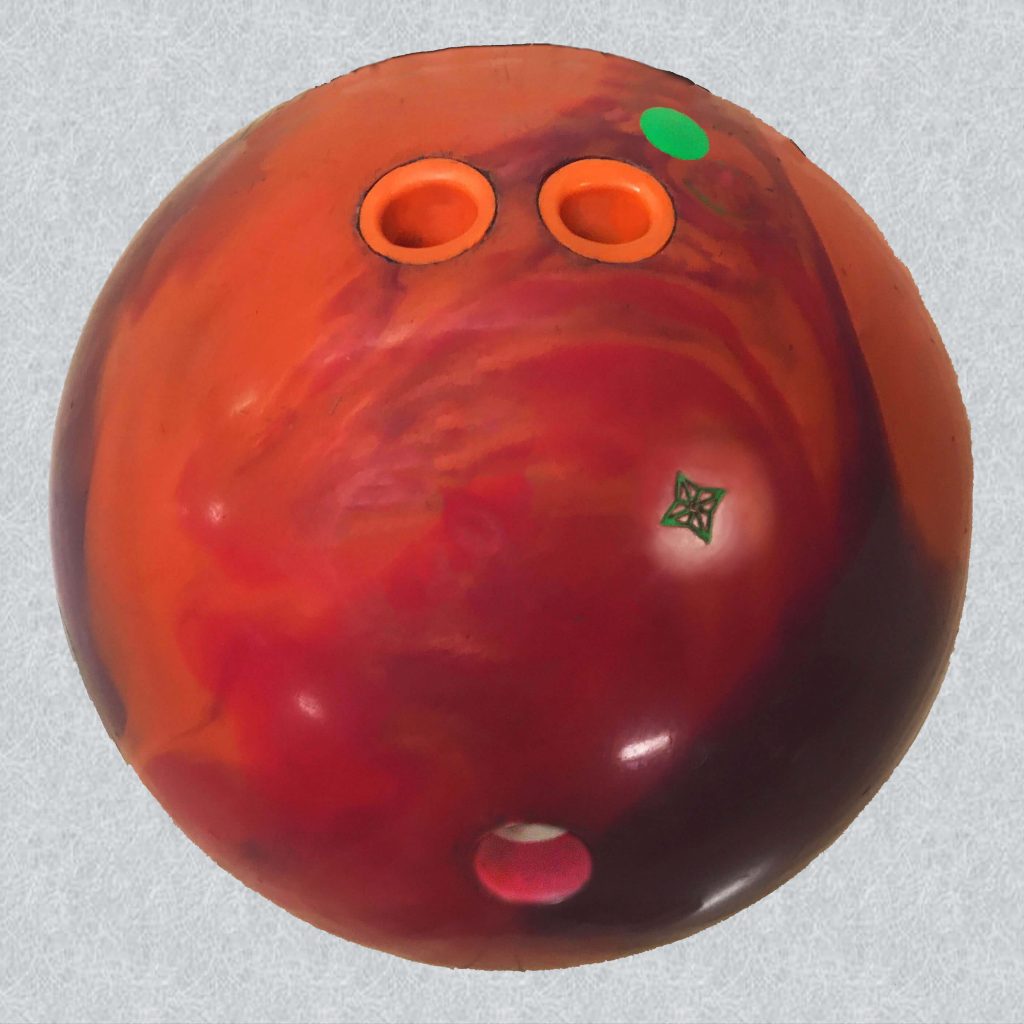
Thumb slugs are a solid material composed of urethane or vinyl. Bowlers insert and have drilled it into a bowling ball to create a custom-sized opening for their thumb. They’re an origin of speculation in the bowling world, as some bowlers evade them like the plague. Meanwhile, others use them for all bowling balls in their arsenal.
A thumb slug’s expressed purpose is to promote feel-consistency for thumb insertion and release and allow custom sanding of a thumb hole. In contrast, the standard composition of a ball might resist such customization.
A bowling ball consists of three main layers – the cover stock, the weight block, and the core. All have different densities and feelings to them. Such variance concerns some bowlers who select a smooth and unrestricted insertion and release for their bowling ball’s thumb hole. A thumb slug is a great custom tool for those bowlers to minimize the impact a bowling ball’s standard constitution has on the consistency and feel of their shots.
Best bowling tape for fingers
Your hand is your biggest weapon in the game of bowling. So, it would be best if you took all care to protect it from the bruises, cuts, or other injuries that can alter or constrain your release. The good quality bowling tape furnishes your hand the much-needed safety from these painful sores and bristles.
Purchasing the best bowling tape shouldn’t be too challenging if you are clear about your necessities. However, the varieties of bowling tape available in the market make it challenging to select the most suitable one for you.
To make the selection more accessible, we will review the best bowling tapes in this article and their specifications, features, pros, and cons. We will also provide information on the essential factors considered when buying the best bowling tape.
Vise Hada Patch Pre-Cut Tape

The Vise Hada Patch Pre-Cut Tape is ideal for maintaining your release consistency in any lane condition. You can place it on your fingers or thumb and let your hand have the excellent gripping of the bowling ball.
You can put the precut bowling tape over the backside of the thumb. With a thickness of 0.1”, it is one of the thinnest bowling tapes on the market. This feature offers you extreme comfort while applying it to your thumb. Additionally, it does not limit your shots while discharging the bowling ball.
The tape offers safety to your thumb and protects it from the usual cuts and sores caused by applying inferior-quality bowling tape. In addition to providing excellent protection, the tape is pretty durable on your hands. You do not need to replace it more than twice in the game if you have cleaned your thumb correctly before the application.
The bowling tape is most effective and longer-lasting if you wash your hands properly with alcohol to remove any dirt, oil, or a layer of moisture that may weaken the adhesion of the tape.
Moreover, you can easily remove the tape using a mild soap-water solution. Additionally, it does not leave any residue after you remove it. The only care you need to take while applying the tape is to use it quickly as the tape tends to stick together, making it difficult to undo once stuck.
Pros:
- Protect from thumb injuries
- No residue after removal
- Extremely thin
- Pre-cut design
Cons
- Sticks together while applying
MICHELIN Storm Thunder Tape
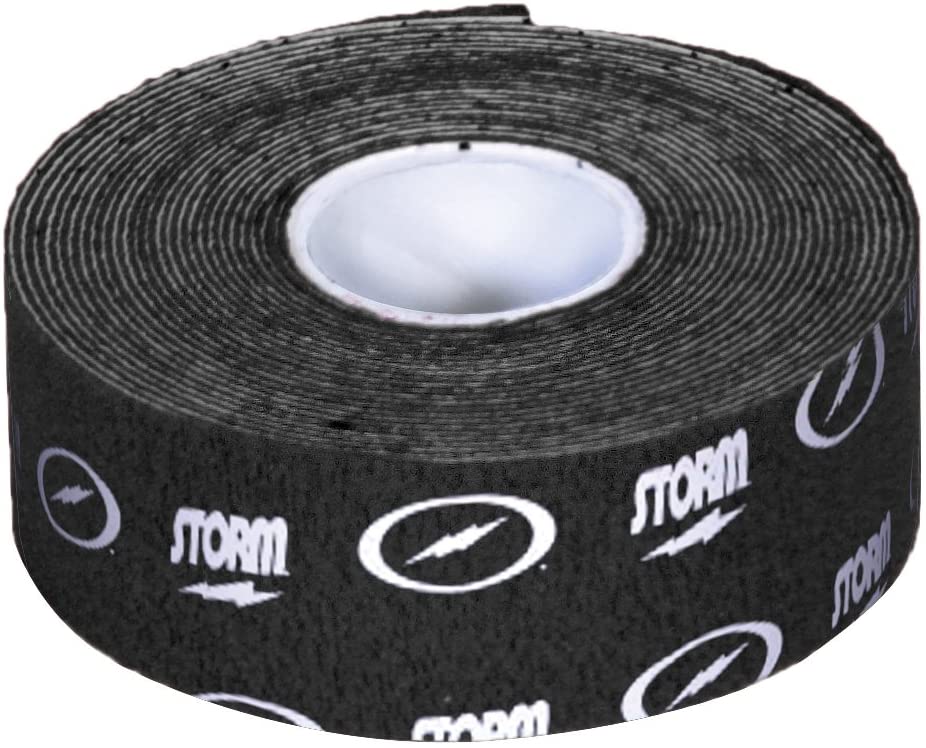
The Storm offers high-performance bowling balls and excellent quality bowling shoes, and high-quality bowling tape to allow you to score high with each shot and in every competition. The Storm bowling tape has an excellent grip and stays on your hand in the best shape for many games.
With the Storm tapes, you do not need to worry about accidental slipping during the game. However, the intentional removal is pretty straightforward, and the bowling tape does not leave any residue on your hand after the removal.
This is the best bowling tape for thumb hole that offers tremendous flexibility through its ability to accommodate thumb swelling. Once applied, you do not need to pull it to modify it based on thumb size. The tape comes in a pre-cut option and is available in various colors, with each offering the same effectiveness, convenience, and protection from cuts, bruises, and bristles.
Remember to wash your hands properly before applying the Storm bowling tape for practical impacts.
Pros:
- It offers adequate protection from injuries
- Accommodates thumb swelling effectively
- Available in many colors
- Consistent release
Cons:
- Exclusively for thumb application
- Cause sticking of thumb
Motiv Flex Protective Performance Tape
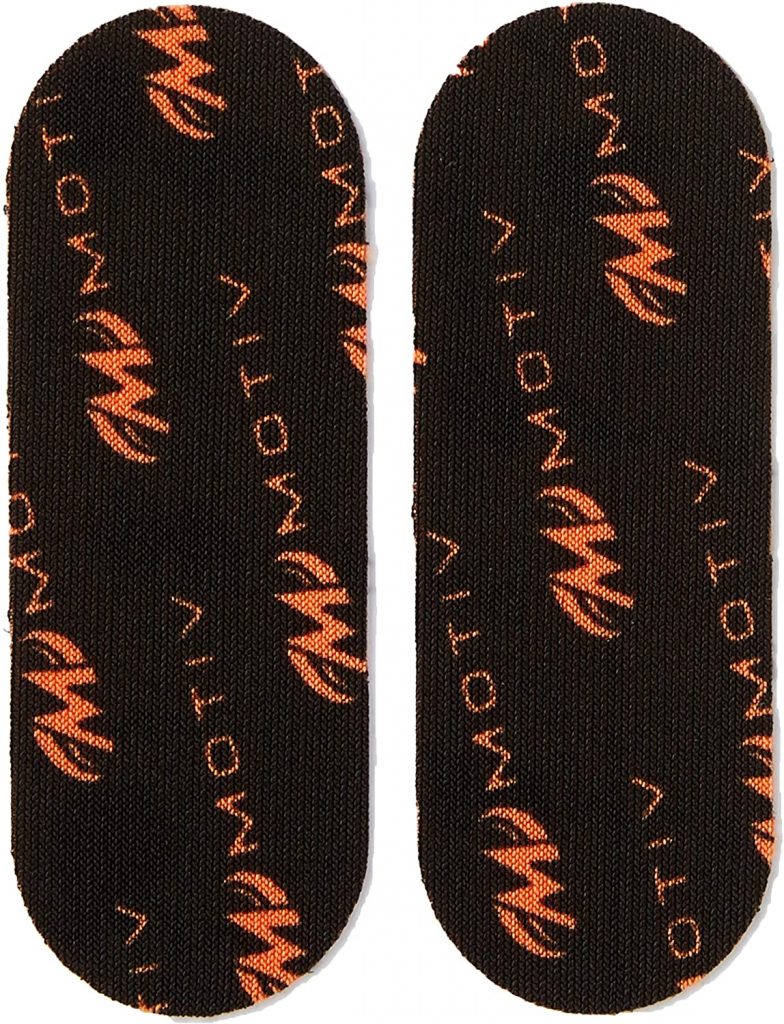
The Motiv Flex Protective Performance tape helps you protect yourself from bruises, blisters, and sores to provide perfect gripping. Additionally, it also improves your performance and helps in enhancing your consistency on the lane surface.
The bowling tape comes in multiple colors, with each color offering different release speeds, thus giving you more control during the bowling ball’s release. The bowling tape is uncomplicated to use & remove and does not leave any residue on removal.
Pros:
- Protection from cuts & bruises
- Improves performance
- Fast speed of release
- Do not slip off
Cons:
- Not very good adhesion
- Difficult to remove
Turbo Grips Course Fitting Uncut Tape Roll

The Turbo Grips Course Fitting Uncut Tape Roll is an excellent bowling tape for the swelled thumb. The bowling tape comes in three different colors, each different texture. These textures offer extra gripping, and you can select any one of them as per your requirement. The bowling tape has a thicker and coarser texture and thus provides a firm grip on the bowling ball.
The bowling tape offers exceptional support if you have a swelled thumb and provides high comfort while bowling. At the same time, it also gives adequate protection to the swelling thumb.
Adequate cleaning before applying the tape properly allows it to last for many games. So, you don’t have to change it too often. Additionally, the tape does not leave any residue on your hands after removing.
Pros:
- Superb gripping, and compelling release
- Protects from cuts & skin irritation
- Excellent for thumb swelling
- Easy to remove
Cons:
- Need care while cutting to avoid fraying
Genesis Excel Performance Bowling Tape
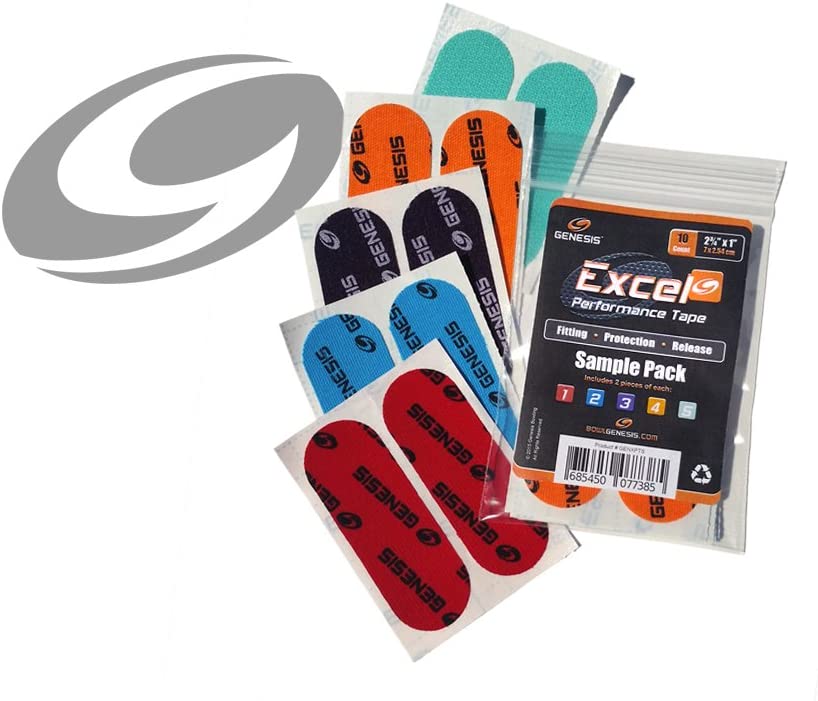
The Genesis Excel Performance Tape lives to its reputation and offers outstanding performance in the alley. The ultra-thin bowling tape offers the quickest releases on any lane surface. The tape is made up of high-quality synthetic material. The fine knitting of the fabric gives a highly smooth feel.
The super-thin construct gives the tape an added stretch in both directions. So, you can improve the speed of your release without worrying about any hindrances from the tape.
The bowling tape is highly versatile. You can use the tape to apply on your hand and fill inside the thumb hole. Hence, you reap two benefits from a single product. It can enhance your grip and protects you from cuts, bruises, and skin irritation.
The thin and lightweight tape arrives in a variety of texture styles. The five different types offer different fitting options. Moreover, all these textures have extra stretchability. You can select the surface as per your style and speed of bowling ball release.
The bowling tape has enhanced adhesion to offer slip-free application. However, the bowling tape is easy to remove despite the enhanced adhesion and does not leave any residue on your hands.
The outer packaging is designed to find out the desirable tape-style quickly. If you are a beginner, it is advised to understand the properties of various styles of the Genesis Excel tapes before finally buying the most appropriate texture for your level.
Pros:
- It can be used to apply on the thumb and also for filling the thumb hole
- Five different styles for different speeds
- Protection from thumb calluses
- No residue on removal
Cons:
- Confusing packaging
How Much Tape Is Good On A Bowling Ball?

There isn’t a hard and fast rule for the amount of bowling finger tape you should use on a bowling ball. It’s more of a feeling-out process requiring you to know your shot and monitor your thumb’s release to ensure that everything is running smoothly.
In short, you should use enough tape in the thumb hole, so the ball doesn’t drop. But not too much where it restricts your thumb from coming out of the hole at release.
One reason you have to use several bowling finger tape is to keep your tape fresh. Don’t hesitate to remove old bowling finger tape, which can gum up your thumb hole with a sticky residue. Otherwise, it can negatively impact your shot.
Place the new tape in the ball as often as possible to avoid such problems and promote consistency in your bowling shot.
Do Professional Bowlers Use The Thumb Hole?

There are many two-finger bowlers out there, eschewing the use of the thumb hole to get higher rev rates on their shot. Such a shot makes it more challenging to control straight-line spare shots. Meanwhile, professional bowlers who employ this technique took years of practice fine-tuning their no-thumb shot to near-perfection.
Rule modifications have been initiated by the USBC for no-thumb bowlers, prohibiting the drilling of so-called “balance holes” into any two-finger bowler’s ball. The unused thumb hole can also be employed as a balance hole, eschewing its use as a gripping hole in steadying one’s shot and control/violence combination.
Some professional bowlers still employ the thumb hole, mind you. There are also some interesting variations between thumb bowlers and no-thumb bowlers, which utilize fingertip gripping that straddles the line between the two.
Final Thoughts
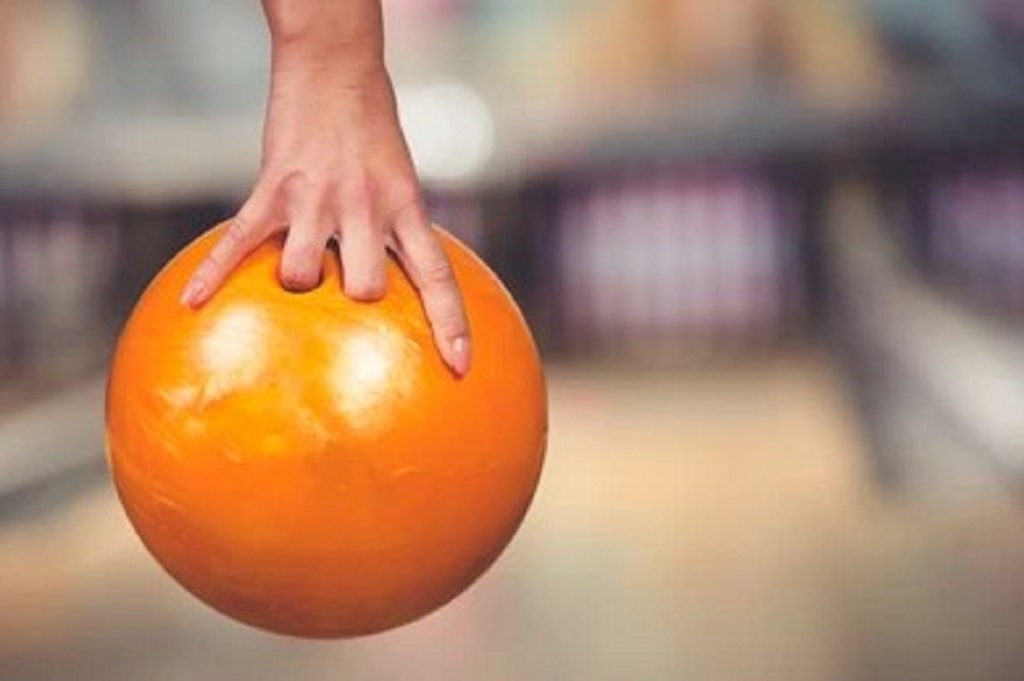
Bowling tape is one of the unacknowledged heroes to bowlers. It provides protection and lets you play accurately for your entire game.
As your finger swells, it is easy to replace to make sure each shot has a perfect fit for your hand. That way, you can play your best every time.
With so many variants available, bowling tape is one piece of equipment that needs some experimentation. Try a few different brands or borrow some from your friends if you can. It will allow you to find out what works best for you and what fits your hand well.
Ultimately, it will let you find out what you need to make your game a cleaner game.
Looking for more bowling items?
References:
- Bowling Finger Tape: 5 Steps On How To Use It: https://skilledbowlers.com/bowling-supplies-equipment/bowling-finger-tape/
- Bowling tape: what it is, why you need it & how to use it: https://www.bowlingoverhaul.com/bowling-tape-what-it-is-why-you-need-it-how-to-use-it/
- Top 10 Best Bowling Tapes | 2022 Reviews (Vise, Michelin): https://bestofbowling.com/best-bowling-tapes/